Creative Refresh

D2C Ad CreativesBy Indian UGC Team10 min read

D2C Video Ads Creative Fatigue: India Refresh Workflow

Creative fatigue happens when the audience has seen the same visual idea, hook, or message too many times and the ad stops earning attention. For Indian D2C video ads, the fastest fix is not a full campaign reset. Keep the winning product angle, then refresh one variable at a time: hook, opening frame, creator scene, language, offer, or CTA.

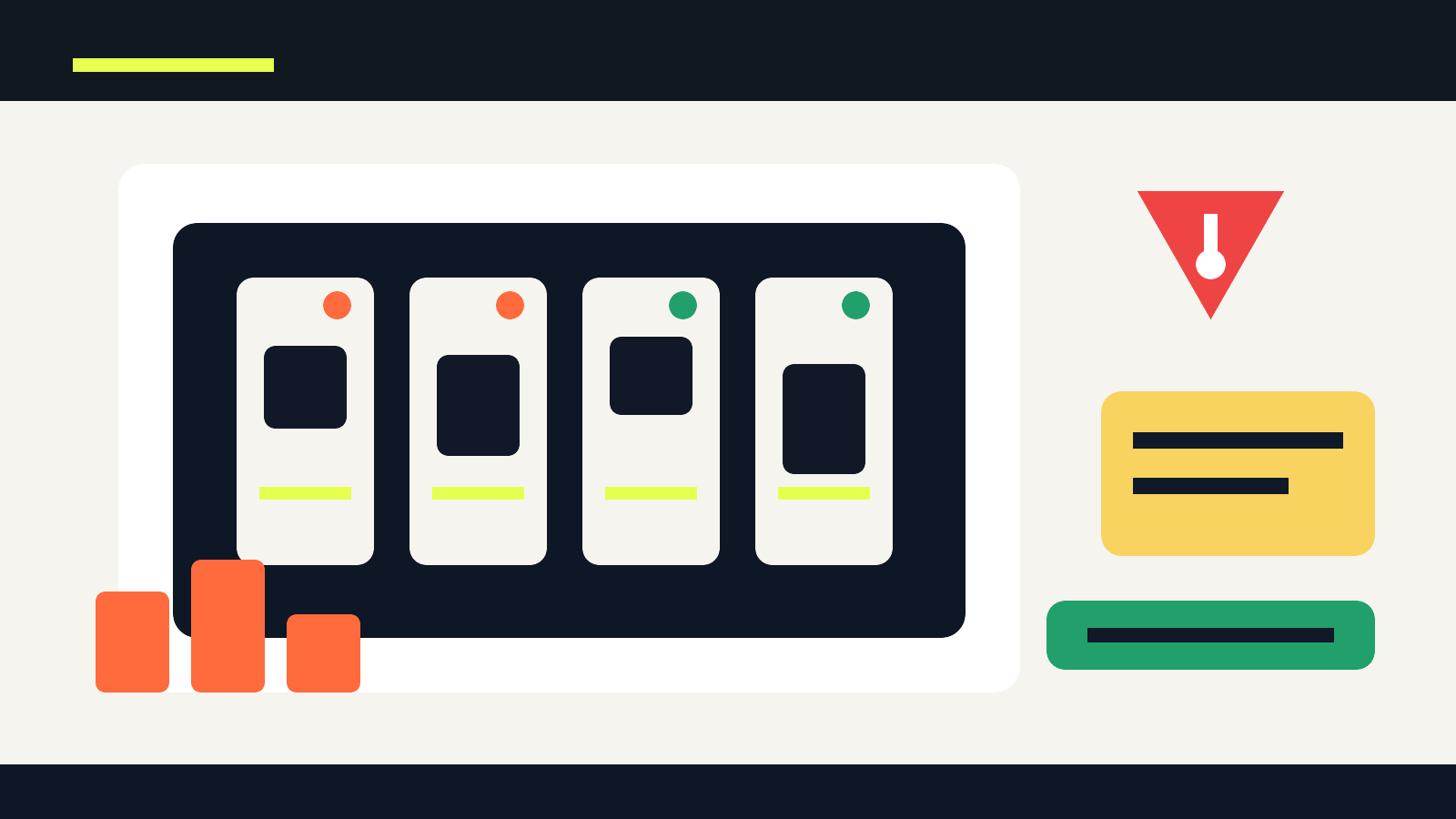
Indian D2C ad creative refresh workflow with vertical video variants, product scenes, hooks, language tests, and fatigue warnings

What is creative fatigue in D2C video ads?

Creative fatigue is the drop in attention and response that happens when buyers keep seeing the same ad creative or the same visual idea. In D2C video ads, fatigue usually appears before the product stops being relevant: the hook feels familiar, the first frame is ignored, and the audience has no new reason to watch.

Creative fatigue is an ad creative problem, not always a product, audience, or offer problem.

Ad fatigue is the broader pattern where repeated exposure makes an ad less effective over time.

Start from /blog/d2c-ad-creative-examples-india if you need fresh formats before writing variants.

Use /blog/ad-creative-testing-india when the account needs a clean test matrix instead of random replacements.

Source note: Meta describes creative fatigue as a state where an audience has seen the same creative too many times, facebook.com/business/help/1346816142327858

How do you know a D2C ad is fatigued?

Treat fatigue as likely when the same video has had enough delivery, the opening-frame response softens, click quality drops, frequency rises, or Meta flags creative fatigue. Do not kill a working ad only because one metric moved for a day. Look for a pattern across delivery, thumb-stop, CTR, CPC, CPA, comments, and purchases.

Watch for rising frequency with weaker CTR, weaker hold rate, or higher cost per result.

Check whether the same first frame, hook, product shot, and caption are repeated across multiple ads.

Read comments and DMs for buyer objections that the current creative no longer answers.

Compare prospecting and retargeting separately; retargeting fatigue can arrive faster.

If the product still converts elsewhere, refresh creative before rebuilding the campaign.

What should you refresh first?

Refresh the first three seconds first because that is where most paid-social video fatigue shows up. Keep the product angle that once worked, but change the hook, opening shot, creator posture, or product action. If the audience still responds, then test language, offer framing, and CTA variants.

Hook: change the first line from a claim to a buyer objection, mistake, comparison, or routine moment.

Opening frame: move from face-first to product-in-hand, problem-first, before-state, or usage-action.

Scene: shift the same product angle into a kitchen, vanity, desk, wardrobe, commute, gym bag, or family-use setting.

Language: test Hinglish, Hindi, Tamil, Kannada, Marathi, Bengali, Telugu, Malayalam, or Gujarati only after the visual idea is clear.

CTA: replace a vague shop-now close with a job-specific next step such as checking shade, size, bundle, routine, or trial pack.

How can AI UGC help with creative fatigue?

AI UGC helps when the team needs many controlled refreshes around one winning idea. Instead of waiting for new creator shoots, generate fast drafts with one changed variable: a new hook, new setting, new product action, new language line, or new objection answer. The review pass still matters more than volume.

Use /dashboard/ugc-video when the exhausted asset is a creator-style video or product demo.

Use /dashboard/static-ads when the product is already understood and the fatigue problem is offer, bundle, price, or proof hierarchy.

Use /blog/ugc-video-generator-prompts-india to convert the winning script into controlled AI video prompts.

Use /blog/product-image-to-video-ai-ads-india when one strong product photo can become several short ad motions.

Reject AI variants that distort product shape, make unsafe claims, start slowly, or change too many test variables at once.

What is the easiest creative fatigue workflow for Indian brands?

The easiest workflow is a 6-variant refresh sprint: keep the product, buyer problem, and offer stable, then create two new hooks, two new scenes, one language variant, and one static retargeting asset. This gives the media buyer enough difference to test without turning the account into creative chaos.

Variant 1: same product angle, new first line based on a real buyer hesitation.

Variant 2: same hook, new opening shot that shows the product action sooner.

Variant 3: same script, local scene that matches the buyer's home, office, kitchen, vanity, wardrobe, or commute.

Variant 4: same scene, shorter spoken line for mobile feed speed.

Variant 5: same approved visual, one Hindi, Hinglish, or regional-language version.

Variant 6: static ad for warm retargeting that restates the offer or proof point.

Source note: Google's video ABCDs framework asks video ads to earn attention, show branding, build connection, and give direction, support.google.com/google-ads/answer/14783551

Why do creative refreshes fail?

Creative refreshes fail when every variable changes at once. A brand replaces the hook, creator, scene, language, offer, landing page, and audience, then cannot tell what worked. Another common failure is making the new ad prettier but less useful: slower product reveal, weaker claim discipline, and a CTA that does not match the buyer's next step.

Do not change hook, scene, language, offer, and audience in the same first test.

Do not copy a competitor's creative without translating the buyer problem to your own product.

Do not use generic AI stock scenes when the old ad won because it felt specific.

Do not keep scaling a fatigued ad just because the first week looked good.

Do not publish AI-generated product claims without category, legal, or medical review where needed.

Creative fatigue refresh decision table

Fatigue signal
Best first refresh
Avoid
Frequency is rising and CTR is falling
New hook and first frame using the same winning product angle
Changing audience, offer, and creative together
Comments repeat the same objection
Objection-answer UGC video with one product proof point
A generic lifestyle montage
Video starts slowly
Product action or result context in the first three seconds
A longer intro or logo-first opening
The same ad ran across all placements
Placement-aware vertical cut and a static retargeting follow-up
One crop used everywhere
Regional buyers are not responding
Same approved scene with one natural local-language line
Translated brand copy that sounds formal
The winning product photo still works
Image-to-video motion or static offer variant
A full new shoot before testing simpler variants

Best For

Indian D2C brands with one or two ads that used to work but are slowing down

Performance marketers who need controlled creative refreshes for Meta or Instagram

Agencies building AI UGC variants before booking another creator shoot

Ecommerce teams deciding whether to make video, static, or language variants first

Not Ideal For

Diagnosing tracking, landing-page, inventory, or pricing problems without checking the account

Copying competitor creatives without a product-specific buyer insight

Changing the whole media plan because one ad had a weak day

Regulated product claims without legal, medical, or category review

Examples

Beauty: replace a tired serum testimonial with a texture-first vanity scene and a buyer-objection hook about stickiness.
Snack: keep the same taste angle but move the opening from a creator face to an office-desk chai break.
Fashion: refresh a try-on ad by changing the first frame to fit, fabric, or occasion instead of another mirror pose.
Home product: turn the old before-after into one product action plus one static retargeting ad about bundle value.
Wellness: change the routine scene and language while keeping conservative, claim-safe copy.
Regional test: use the same approved visual scene and rewrite only the first line into natural Hinglish, Tamil, Kannada, Marathi, Bengali, Telugu, Malayalam, or Gujarati.

FAQs

What is creative fatigue?

Creative fatigue is when repeated exposure to the same ad creative makes people less likely to notice, click, or respond to it. In D2C video ads, it often shows up as weaker opening-frame response, lower CTR, higher cost per result, or a platform warning that the creative is wearing out.

How do I fix ad fatigue in Meta ads?

Fix ad fatigue by refreshing the creative before rebuilding the campaign. Keep the product angle that worked, then test a new hook, opening shot, creator scene, language version, offer frame, or CTA. Change one variable at a time so the result is readable.

Why does creative fatigue happen faster for D2C brands?

D2C brands often run narrow audiences, high-frequency retargeting, and similar product-demo videos across placements. Buyers quickly recognize the same opening frame, hook, product shot, and caption, especially in categories like beauty, food, fashion, wellness, and home.

Can AI UGC solve creative fatigue?

AI UGC can help solve creative fatigue by generating faster variants around a proven product angle. It is most useful for new hooks, scenes, language tests, product actions, and objection-answer drafts. It still needs human review for product accuracy, claims, crop, and CTA clarity.

Should I pause a fatigued ad immediately?

Not always. If the ad still converts profitably, prepare refresh variants while monitoring the trend. If costs are rising and delivery quality is clearly weakening, introduce new creative variants rather than pausing everything and losing the learning from the working angle.

Can AI UGC replace real creators?

AI UGC is best for fast creative testing, early campaign drafts, hook exploration, and low-cost content volume. Real creators still matter for influencer distribution, creator trust, and testimonial rights.

Does AI UGC work for Indian audiences?

It can work well when the prompt includes Indian personas, local language, realistic home settings, product-in-hand moments, and duration-safe dialogue instead of generic global stock-style scenes.

What assets do I need to start?

A product name, a short product brief, and ideally one clean product image are enough to generate the first AI UGC video or product visual.