Skincare UGC Ads

D2C Ad CreativesBy Indian UGC Team12 min read

Skincare UGC Ads for Indian D2C Brands

Skincare UGC ads work when the product is shown inside a believable routine, the texture or use moment is visible, and the claim stays review-safe. Indian skincare brands should start with one buyer problem, one routine scene, one proof cue, and one CTA before making AI, creator-shot, static, or regional-language variants.

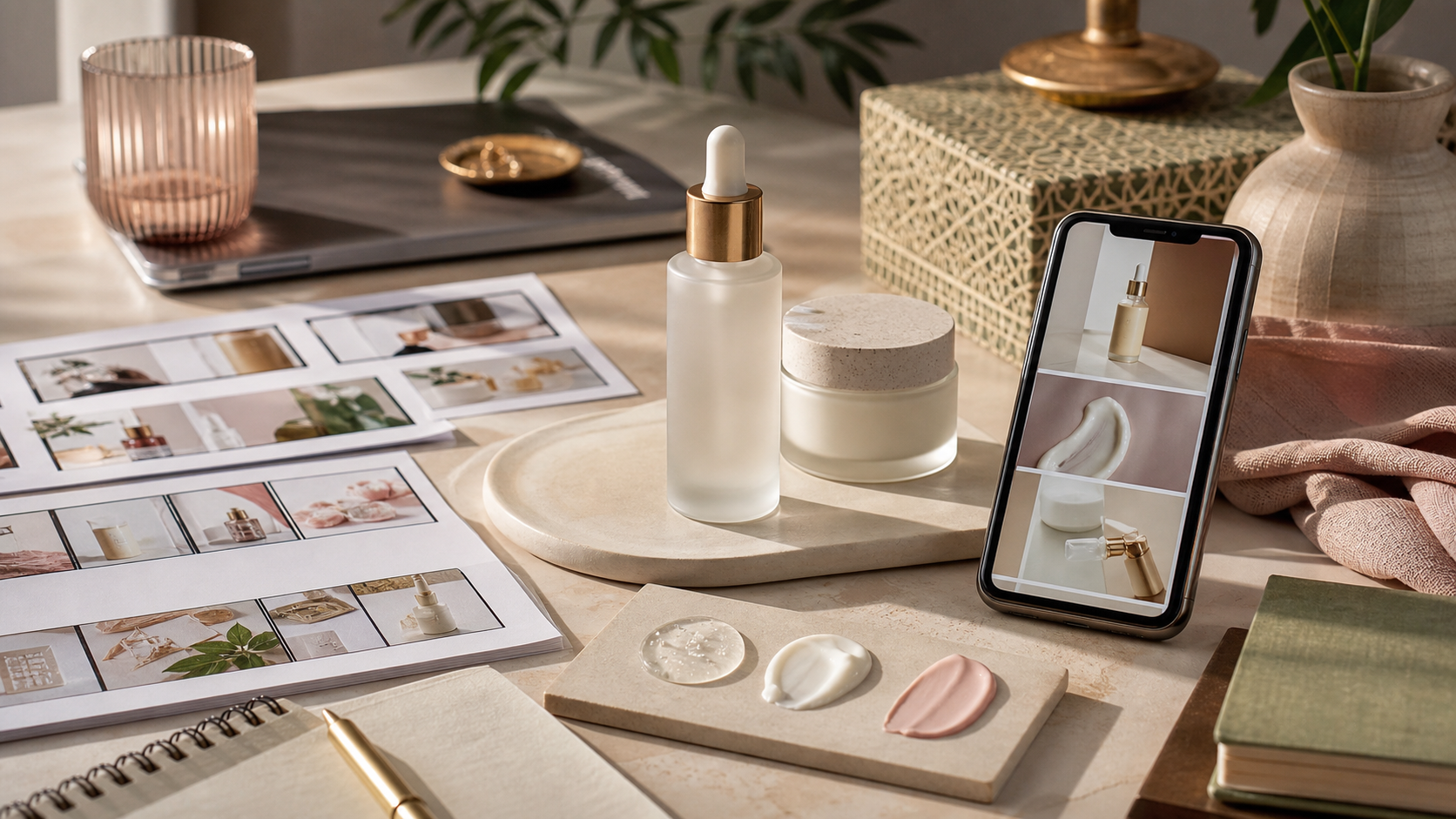
Indian skincare UGC ad creative desk with product textures, vertical video frames, and campaign storyboard cards

What are skincare UGC ads?

Skincare UGC ads are creator-style paid-social videos or static assets that show a skincare product inside a real routine. A strong skincare UGC ad does not start with a vague beauty promise. It shows who the product is for, when it is used, what the texture or step looks like, and what the shopper should do next.

Skincare UGC ad is the creative format that makes the routine and product use feel specific before asking the viewer to trust the claim.

Use /blog/ugc-video-ads-india when the team needs the broader UGC video structure first.

Use /blog/product-demo-ad-creatives-india when the first job is to show one product action clearly.

Generate the first routine-led skincare UGC draft in /dashboard/ugc-video.

Which skincare UGC ad should an Indian brand create first?

Create the ad that removes the buyer's closest hesitation. If shoppers do not understand the product, show the step. If they worry about feel, show texture. If they compare options, show when this product fits better than the old routine. Do not begin with a generic glowing-skin promise.

New serum or active: show one routine step, one texture cue, and one safe reason to consider it.

Moisturizer or sunscreen: show application feel, finish, climate context, or daily-use convenience.

Korean skincare or multi-step routine: show where the product sits in the sequence instead of listing every ingredient.

Affordable skincare product: show quantity, use case, starter routine, or value-per-use without making exaggerated claims.

Clean, vegan, natural, or non-comedogenic positioning: keep the statement precise and reviewed before using it in ads.

If the output works, turn the same idea into static retargeting in /dashboard/static-ads.

How do you write a claim-safe skincare UGC script?

Write the script around observed use, routine fit, and buyer context instead of guaranteed results. Skincare claims can create platform, trust, and compliance problems when the ad promises outcomes the product visual cannot support. Keep the first script narrow: problem cue, routine step, product texture, objection answer, CTA.

Safer hook: 'My morning routine felt too sticky in Mumbai humidity, so I changed this one step.'

Riskier hook: 'This fixes acne in seven days.'

Safer proof cue: texture, finish, pack size, routine timing, fragrance-free positioning if verified, or how the product layers.

Riskier proof cue: medical before-after, guaranteed fairness, disease treatment, or invented dermatologist endorsement.

Source note: Meta's ad standards restrict misleading claims and sensitive personal-attribute framing, transparency.meta.com/policies/ad-standards.

Source note: India's ASCI guidelines require ads to be truthful and not misleading, asci.social/code.

What should the first frame of a skincare UGC ad show?

The first frame should make the product, skin routine, or buyer problem obvious in one glance. Start with the product in hand, texture on fingertips, vanity counter, bathroom mirror, sunscreen reapplication moment, or a humid-day routine cue. Avoid a logo-only intro, abstract skin glow, or stock beauty pose.

Serum: dropper, texture, palm, cheek-side application setup, or routine shelf.

Moisturizer: jar or tube open, texture swipe, dry-skin context, or makeup-prep moment.

Sunscreen: two-finger application cue, bag or commute context, or matte-finish check.

Clean beauty: ingredient cue only if the product team has verified the claim and label language.

Men's skincare: gym bag, shaving counter, commute, or low-step routine rather than generic grooming imagery.

For broader Facebook and Instagram creative formats, use /blog/facebook-video-ad-creator-india.

How can AI help make skincare UGC ads faster?

AI helps skincare teams test scenes, hooks, regional variants, static follow-ups, and product-photo concepts before spending on creator shoots. The prompt still needs a real product brief, exact routine context, claim guardrails, and review rules. Vague beauty prompts create generic output that looks good but does not sell.

Prompt part: Indian buyer persona, age range, city or climate context, and routine moment.

Prompt part: product image, pack color, texture, and the action the viewer must see.

Prompt part: one spoken line in English, Hinglish, Hindi, Tamil, Telugu, Kannada, Marathi, Malayalam, Bengali, or Gujarati.

Guardrail: no fake medical claims, no celebrity likeness, no competitor packaging, no invented readable label text.

Use /blog/ai-product-photography-prompts-india if the skincare team first needs accurate product visuals.

Use /blog/ugc-video-generator-prompts-india when converting the script into a full AI UGC video prompt.

When should a skincare UGC ad become a static ad?

Turn the winning skincare angle into a static ad when the viewer already understands the product step and needs a sharper reminder. Static works well for retargeting, offer cards, routine bundles, texture close-ups, review snippets, and ingredient-led comparison cards. It should repeat the proven idea, not restart the story.

Use video for routine education, product texture, application, and trust building.

Use static for sale reminders, value packs, ingredient cards, starter kits, and retargeting.

Use comparison cards for one tradeoff, such as sticky versus light finish or single-step versus multi-step use.

Use review cards only with real, approved review text and claim-safe formatting.

Plan the static follow-up with /blog/static-ad-creatives-d2c-india.

Why do skincare UGC ads fail?

Skincare UGC ads fail when they sell a fantasy instead of a routine. The product appears late, the texture is invisible, the claim sounds unsafe, the creator setup feels fake, or the CTA sends the shopper to the wrong next step. Fix the product moment before making more versions.

Bad: generic beauty montage with no visible product use.

Better: product in hand, texture visible, one routine problem, one safe CTA.

Bad: one ad tests new hook, language, offer, landing page, creator type, and product claim together.

Better: keep the routine moment constant and test only the hook or only the first frame.

Bad: AI-generated labels, fake dermatologist quote, or exaggerated before-after promise.

Better: reviewed product language, clear routine context, and a claim-safe creative checklist.

Use /blog/ad-creative-testing-india before changing too many variables at once.

Skincare UGC ad decision table

Buyer hesitation
Creative to make first
Review before launch
What does this product do?
Routine-step UGC video
Product appears immediately and one step is clear
Will it feel sticky or heavy?
Texture and finish demo
The visual shows texture without overpromising results
Is it worth the price?
Starter routine or value-per-use static
Pack size, offer, and CTA are readable on mobile
Can I trust the claim?
Claim-safe explanation script
No medical, fairness, or guaranteed-result promise
Will it suit my city or climate?
Indian setting or regional-language variant
Context feels local without stereotyping
Did viewers already understand the video?
Retargeting static card
Same angle, sharper offer or routine reminder

Best For

Indian skincare and cosmetics brands testing Meta, Instagram Reels, YouTube Shorts, or marketplace traffic

Beauty founders who need routine-led UGC before booking a full creator shoot

Performance marketers making claim-safe skincare hooks, first frames, and retargeting assets

Agencies creating AI-assisted skincare ad variants across languages, formats, and buyer objections

Not Ideal For

Making medical, acne-treatment, fairness, or guaranteed-result claims without legal and product review

Inventing dermatologist endorsements, fake reviews, or before-after proof

Copying another skincare brand's creator, packaging, or ad scene frame for frame

Replacing real creator footage when the campaign depends on an actual creator's identity, testimony, or distribution

Examples

Serum: creator shows the dropper and texture, then explains where it fits in a morning routine.
Moisturizer: product opens on a vanity, texture is shown on fingers, and the hook focuses on feel or layering.
Sunscreen: commute or bag context makes reapplication practical without making medical claims.
Korean skincare: the ad shows one step in the routine instead of presenting a confusing multi-product shelf.
Affordable skincare: starter routine angle explains value and usage without attacking premium competitors.
Men's skincare: low-step bathroom counter demo answers the 'I do not want a complicated routine' objection.
Static follow-up: winning texture video becomes a product-plus-offer card for warm retargeting.
Regional variant: same product action is rebuilt with a natural Hindi, Tamil, Telugu, Kannada, Marathi, Malayalam, Bengali, or Gujarati line.

FAQs

What is a skincare UGC ad?

A skincare UGC ad is a creator-style ad that shows a skincare product inside a routine. It usually includes a product-in-hand moment, texture or use cue, buyer problem, safe benefit framing, and CTA. It can be creator-shot, AI-generated, static, or a mix of formats.

What skincare UGC ad should I make first?

Make the ad that answers the closest buyer hesitation. For a new product, show the routine step. For texture concerns, show the feel or finish. For price hesitation, use a value or starter-kit follow-up. Keep the first version to one product moment.

How do I make skincare UGC ads with AI?

Start with a product brief, product image, buyer persona, routine moment, one spoken hook, claim guardrails, and target format. Generate one scene first, then review for product accuracy, claim safety, texture clarity, mobile crop, and language fit.

Can skincare UGC ads mention ingredients?

Yes, but ingredient claims should match approved product language and platform rules. Mentioning niacinamide, sunscreen, clean beauty, vegan positioning, or non-comedogenic claims is safer when the product team has verified the wording and the ad avoids medical promises.

Should skincare brands use video or static ads?

Use video when buyers need to see routine fit, texture, or application. Use static ads for retargeting, bundles, offers, review snippets, and ingredient cards after the buyer understands the product. Most skincare campaigns need both.

Why do skincare UGC ads look fake?

They look fake when the setting is generic, the product is too perfect, the skin claim is exaggerated, the routine is unrealistic, or AI invents packaging details. Use local routine context, visible product action, reviewed claims, and a tight prompt.

Can AI UGC replace real creators?

AI UGC is best for fast creative testing, early campaign drafts, hook exploration, and low-cost content volume. Real creators still matter for influencer distribution, creator trust, and testimonial rights.

Does AI UGC work for Indian audiences?

It can work well when the prompt includes Indian personas, local language, realistic home settings, product-in-hand moments, and duration-safe dialogue instead of generic global stock-style scenes.

What assets do I need to start?

A product name, a short product brief, and ideally one clean product image are enough to generate the first AI UGC video or product visual.

Can AI product photography replace a studio shoot?

For ecommerce testing, PDP refreshes, lifestyle scenes, and paid social variants, AI product photography can reduce dependence on studio shoots. High-stakes hero campaigns may still need a real shoot.

Is AI product photography useful for Indian marketplaces?

Yes, especially for lifestyle scenes, social ads, secondary PDP images, and category-specific visuals. Marketplace main images may still need strict compliance checks.

Can I generate product videos from one image?

Yes. A product image can guide the product appearance while the prompt defines the scene, creator, camera movement, and action.