Creator Rights

UGC Creator PricingBy Indian UGC Team10 min read

UGC Usage Rights in India: What D2C Brands Should Check

UGC usage rights are the permissions a brand gets to use creator-made content beyond the original deliverable. Indian D2C brands should define the platform, geography, duration, paid-ad permission, editing rights, whitelisting access, exclusivity, renewal cost, and disclosure responsibility before running a creator clip as Meta, Instagram, YouTube, or marketplace ads.

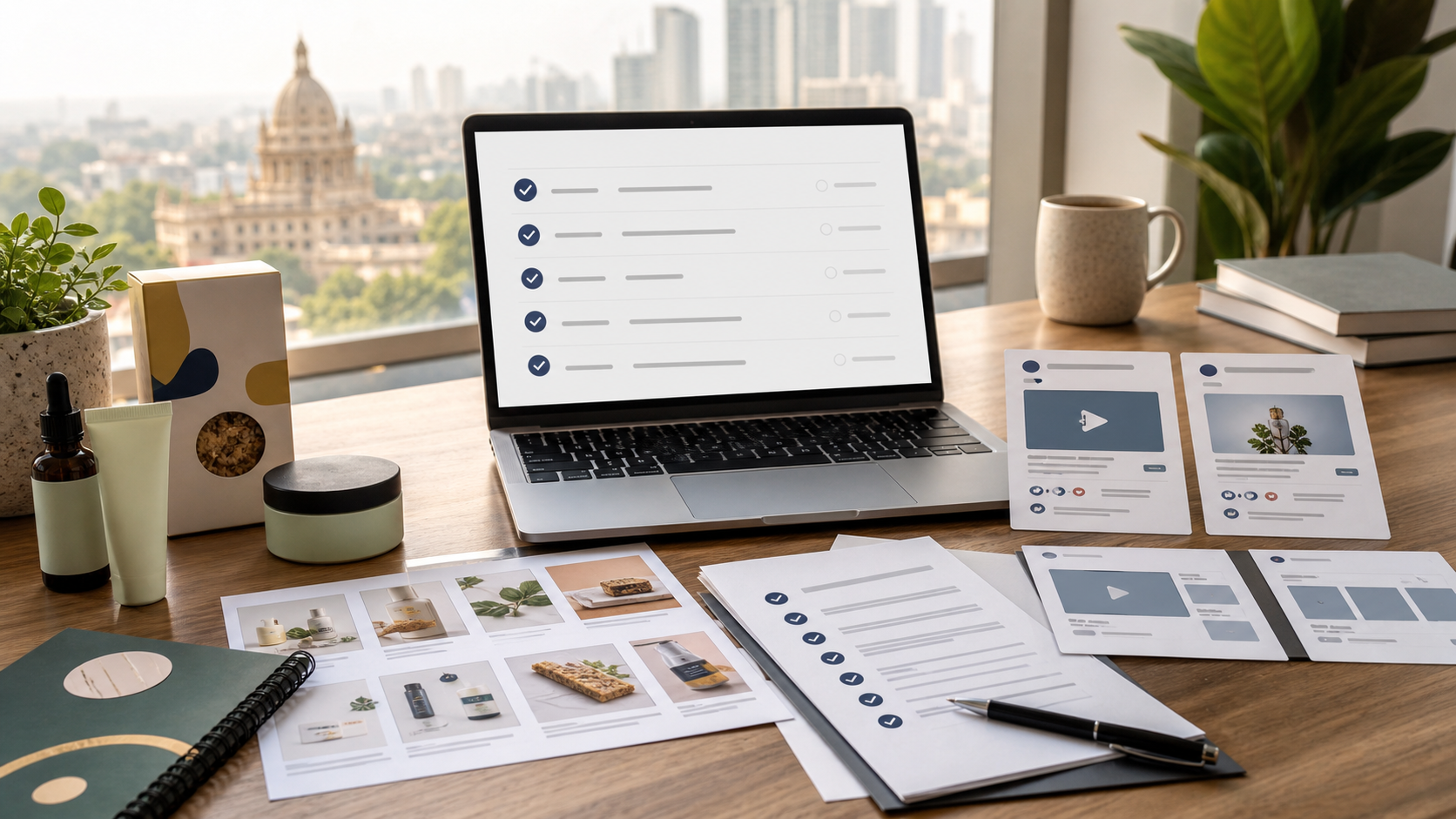
Indian D2C marketing team reviewing UGC ad usage rights, platform permissions, and creator licensing checklist

What are UGC usage rights?

UGC usage rights are the written permissions that decide how a brand can use a creator's video, photo, voice, likeness, script, raw footage, or edited ad. They matter because a clip made for organic posting is not automatically cleared for paid ads, retargeting, editing, whitelisting, regional variants, or long-term reuse.

Start with the creator role here: /blog/what-is-a-ugc-creator

Compare typical budget items here: /blog/ugc-creator-rates-india

Shortlist better creators with /blog/how-to-find-ugc-creators-india

Draft a rights-safe AI angle first in /dashboard/ugc-video

Which UGC rights should an Indian brand confirm first?

Confirm paid-ad permission first. If the asset will run from the brand's ad account, a creator's page, an agency account, or a marketplace campaign, the agreement should say so plainly. The fastest decision rule is simple: if money will be spent to distribute the content, define paid usage before production starts.

Platform: Meta, Instagram, YouTube, Google, Amazon, Flipkart, website, email, or WhatsApp

Duration: one month, three months, six months, one year, or perpetual

Geography: India only, global, state-specific, or language-market-specific

Format: organic post, paid ad, landing page embed, marketplace listing, or retargeting creative

Editing: crops, subtitles, cuts, hooks, static-ad conversion, voiceover, or language variants

Identity use: face, voice, name, handle, profile image, and creator page permissions

What is the fastest usage-rights checklist?

Use a one-page checklist before you approve the shoot. It should separate content creation from distribution rights, because those are different purchases. A creator can sell one edited video, but the brand may still need extra permission to run it as paid media, edit it into variants, or use it after the first campaign window.

Deliverables: raw clip, edited video, hook variants, stills, product photos, or subtitles

Paid usage: allowed or not allowed, with named channels

Usage window: exact start date, end date, renewal fee, and takedown process

Whitelisting or partnership ads: allowed account access, approval flow, and revocation rule

Edits: whether the brand can cut, crop, caption, translate, remix, or turn the asset into /dashboard/static-ads creatives

Claims: approved lines, banned claims, and review owner for beauty, wellness, finance, food, healthcare, or regulated products

How do UGC rights change for ads, whitelisting, and creator posts?

A brand-owned ad, a creator organic post, and a whitelisted creator ad are not the same usage. The same video can require different permissions depending on whose account publishes it, whether the post is boosted, whether the creator's handle appears, and whether the brand edits the asset for retargeting.

Brand-owned ad: brand runs the asset from its own ad account and needs paid usage plus editing permission

Creator organic post: creator posts on their profile and may need disclosure if there is a material brand relationship

Partnership or whitelisted ad: creator identity is part of distribution, so account access, approval, duration, and revocation matter

Meta defines branded content as creator or publisher content influenced by a business partner for an exchange of value, facebook.com/business/help/221149188908254

ASCI influencer guidance says promotional content should be identifiable as advertising when there is a material connection, ascionline.in/wp-content/uploads/2022/09/press-release-influencer-guidelines-2021.pdf

When should you use AI UGC instead of buying more rights?

Use AI UGC when the job is angle testing, localization, hook exploration, or fast creative refreshes. Use a real creator when you need human identity, real product handling, creator distribution, or testimonial-style trust. This split reduces rights friction because early drafts do not require renegotiating every hook, crop, or language variant.

Use /dashboard/ugc-video to test scene, hook, and buyer hesitation before hiring creators

Use /blog/ugc-video-generator-prompts-india when the script must become a prompt-ready video draft

Use /blog/regional-language-ugc-ads-india before buying separate filmed variants in Hindi, Tamil, Telugu, Kannada, Marathi, or Bengali

Use creators for real product handling, founder-approved claims, category trust, and distribution from the creator's own audience

Google's video ad ABCD framework focuses on Attention, Branding, Connection, and Direction, support.google.com/google-ads/answer/14783551

Why do UGC usage-rights deals go wrong?

UGC rights go wrong when the brand treats a creator video like a stock asset. The team buys one clip, then later wants paid ads, new hooks, voiceover changes, regional versions, creator-handle ads, Amazon images, and six extra months of use. That is how cheap content becomes slow, expensive, and awkward to scale.

Bad brief: one UGC video for our ads

Better brief: one edited 20-second video plus three months paid usage on Meta and Instagram, with crop and subtitle edits allowed

Bad pricing: one bundled number with no usage window

Better pricing: content creation, editing, posting, paid usage, whitelisting, exclusivity, and renewal listed separately

Bad workflow: hire creators before knowing which angle works

Better workflow: AI draft, winning pattern, creator shoot, documented usage rights, static retargeting follow-up

UGC usage rights decision table

Use case
Rights to confirm
Best next step
Run creator clip as Meta ads
Paid usage, platform, duration, geography, edit permission
Write the usage window before the shoot
Boost from creator identity
Whitelisting or partnership access, approval flow, revocation
Separate creator posting fee from ad access
Turn one video into many hooks
Editing, cropping, subtitles, remixing, static-ad conversion
Ask for raw footage or edit rights upfront
Create Hindi or regional variants
Translation, voiceover, new language, local market usage
Test the base angle with AI before buying filmed variants
Use on PDP or marketplace pages
Website, marketplace, product image, and claim permissions
Check platform and category rules before upload
Refresh ads every week
Renewal fee, usage expiry, asset library rights
Use AI UGC for draft volume and creators for proven winners

Best For

Indian D2C brands buying UGC videos for paid social

Performance marketers turning creator clips into Meta and Instagram ads

Agencies managing creator briefs, renewals, and ad account access

Founders deciding when AI UGC can reduce creator-rights complexity

Not Ideal For

Formal legal contract drafting

Creator disputes that need a lawyer

Celebrity endorsement agreements

Medical, financial, legal, or high-claims campaigns without compliance review

Examples

Skincare brand: buys one creator routine video with three months paid usage on Instagram and Meta, but keeps medical-style claims out of edits.
Snack brand: tests AI UGC hooks first, then hires a creator for one taste-test video with permission to cut it into three ad variants.
Fashion brand: uses real creators for fit and fabric movement, while AI drafts help choose which mirror-shot script deserves a shoot.
Home product: gets raw footage plus edit rights so the team can make comparison, problem-first, and retargeting versions from one shoot.
Regional campaign: confirms whether the same creator asset can be subtitled, dubbed, or recreated for Hindi, Tamil, Telugu, Kannada, or Marathi buyers.
Agency workflow: separates content fee, paid usage, whitelisting, and renewal so the client knows what can run after the first campaign window.

FAQs

What are UGC usage rights?

UGC usage rights are permissions that explain how a brand can use creator-made content. They should cover platform, duration, geography, paid ads, editing, whitelisting, exclusivity, renewal cost, and whether the brand can reuse the asset after the campaign.

Can a brand run a creator's UGC video as an ad?

Yes, if the creator agreement gives the brand paid-ad usage for the right platforms, duration, geography, and edits. Organic posting permission alone should not be treated as permission to run paid ads.

What should a UGC creator contract include for paid ads?

It should include deliverables, usage window, platforms, geography, paid media rights, edit rights, whitelisting or partnership access, exclusivity, renewal pricing, disclosure responsibility, claim review, and the approval process.

Should UGC usage rights be priced separately?

Usually yes. Content creation, editing, creator posting, paid usage, whitelisting, exclusivity, and renewals are different value items. Separating them makes creator quotes easier to compare and avoids campaign delays later.

When is AI UGC better than buying more creator rights?

AI UGC is better for testing hooks, scenes, languages, and creative refreshes before a real shoot. Buy creator rights when the winning idea needs real product handling, creator identity, audience distribution, or testimonial-style human trust.

Can AI UGC replace real creators?

AI UGC is best for fast creative testing, early campaign drafts, hook exploration, and low-cost content volume. Real creators still matter for influencer distribution, creator trust, and testimonial rights.

Does AI UGC work for Indian audiences?

It can work well when the prompt includes Indian personas, local language, realistic home settings, product-in-hand moments, and duration-safe dialogue instead of generic global stock-style scenes.

What assets do I need to start?

A product name, a short product brief, and ideally one clean product image are enough to generate the first AI UGC video or product visual.