Marketplace Video

UGC Video GeneratorBy Indian UGC Team11 min read

Amazon Product Video with AI UGC for Indian Sellers

Indian sellers should create Amazon product video ideas by starting with one real product image, one shopping objection, and one visible product action. Use AI UGC to draft creator-style scenes for testing, then review product accuracy, marketplace claims, mobile crop, and platform rules before using the output on Amazon, Meta, YouTube, or retargeting pages.

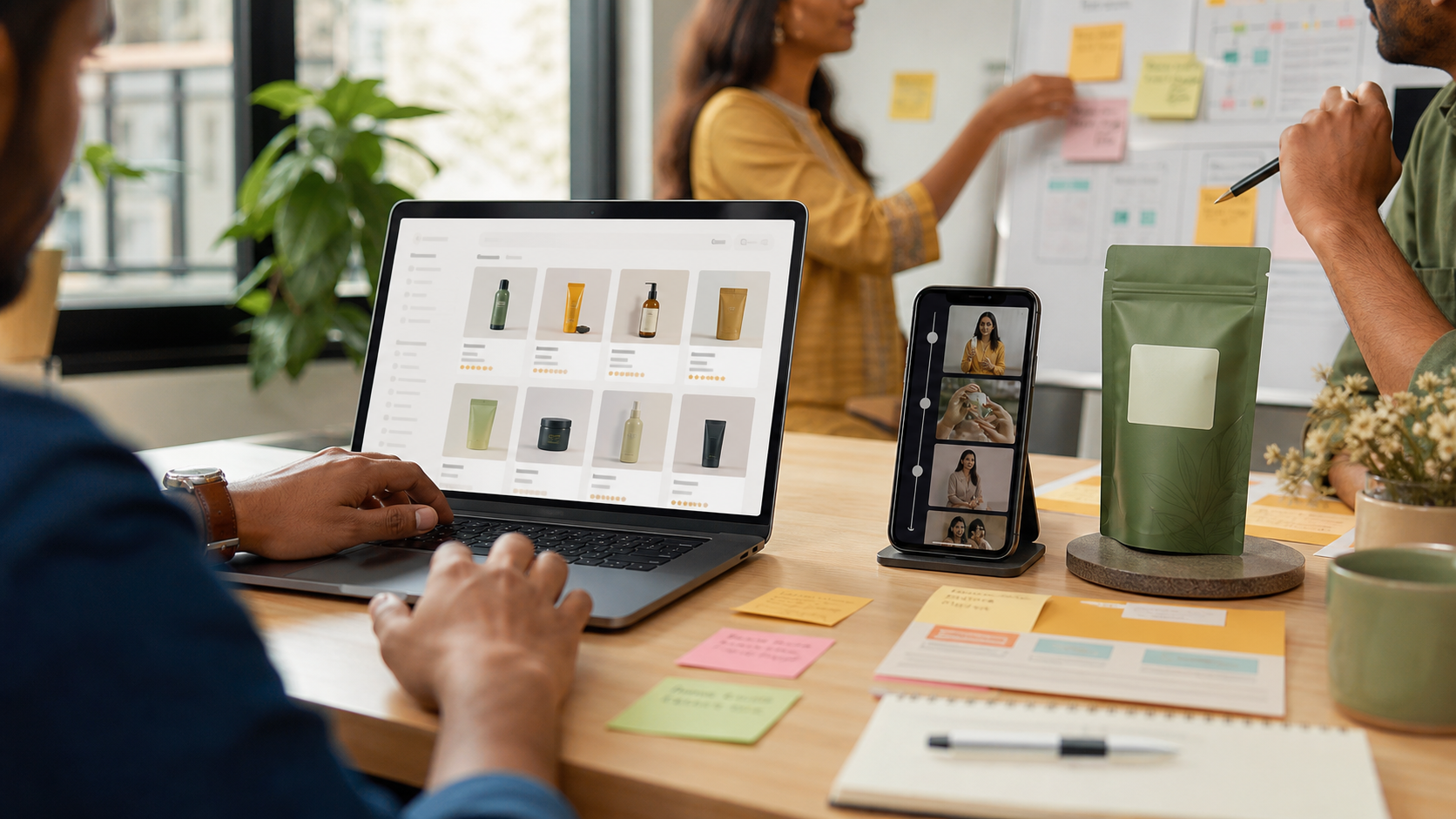
Indian ecommerce team turning an Amazon product image into AI UGC video ad storyboards

What is an Amazon product video for AI UGC?

An Amazon product video is a short product-led video that helps shoppers understand the item, use case, benefit, or comparison before buying. In an AI UGC workflow, the product video idea becomes a creator-style draft: one seller image, one buyer doubt, one Indian setting, one product action, and one clear next step.

Amazon product video is a product-focused video asset for marketplace discovery, product-page education, Sponsored Brands or Sponsored Products video ideas, and off-Amazon retargeting creative.

Use /blog/product-image-to-video-ai-ads-india when the product image is the main input and you need a broader paid-social video workflow.

Use /blog/ugc-video-generator-cost-india before deciding whether the first round should be AI drafts or creator-shot clips.

Generate the first creator-style draft in /dashboard/ugc-video once the product image, scene, and buyer objection are clear.

Which Amazon product video should Indian sellers make first?

Make the video that removes the biggest buying doubt on the listing. If shoppers cannot understand the product, start with a product-in-hand demo. If they compare alternatives, start with a this-vs-that explanation. If they worry about use, size, taste, texture, fit, or storage, show that specific moment before trying lifestyle storytelling.

New category: creator opens or uses the product once in a familiar Indian home, kitchen, vanity, desk, wardrobe, or gifting scene.

Beauty and skincare: show texture, routine timing, and claim-safe usage language without promising medical or guaranteed results.

Food and beverage: show pack opening, prep, first taste, serving size, or office-snack context.

Fashion and accessories: show fit, scale, styling, close-up material, or occasion use.

Home utility: show messy-before, one product action, clean reveal, and size context.

Warm retargeting: turn the strongest product demonstration into a shorter /dashboard/static-ads follow-up.

How do you turn one product image into a usable AI UGC video?

Turn one product image into an AI UGC video by treating the image as an accuracy anchor, not a full ad brief. The prompt still needs the seller's buyer, objection, scene, creator persona, product action, spoken line, duration, format, and rejection rules. Keep the first draft simple so the product stays recognizable.

Prompt formula: product image plus buyer objection plus Indian creator persona plus one setting plus one product action plus one spoken line plus CTA plus no fake readable text.

Good prompt direction: Indian office buyer opens the snack pack during chai break, pack visible, one line about convenience, vertical product-led ad, no invented label details.

Weak prompt direction: make a viral Amazon product video for this product with many benefits.

Use /blog/ugc-video-generator-prompts-india when the AI video output looks generic or keeps losing product clarity.

Use /blog/ai-ugc-creator-persona-india when the avatar looks polished but does not match the buyer's real hesitation.

What should sellers check before using AI product video outputs?

Review AI product video outputs like a seller and media buyer, not like someone judging a demo reel. The video must keep the SKU accurate, avoid fake packaging details, make the product visible early, use a mobile-safe crop, avoid risky claims, and match the destination platform's creative rules.

Product accuracy: reject wrong color, size, label, cap, texture, quantity, accessories, or packaging shape.

Marketplace safety: avoid generated badges, fake reviews, discount text, unsupported guarantees, or claims not present on the listing.

Mobile crop: keep the product and speaker/action visible in a vertical frame when the video is for Reels, Shorts, or Meta placements.

Language fit: use Hindi, Hinglish, or regional-language variants only after the base product action is clear.

Source note: Amazon Ads describes Sponsored Products video as a way to upload product feature videos for selected ASINs and manage them in Ads Console, advertising.amazon.com/library/guides/sponsored-products-video.

Source note: Meta's Ads Guide lists placement-specific video specs and recommendations for Facebook and Instagram, facebook.com/business/ads-guide/update.

Source note: Google's video creative ABCDs are Attention, Branding, Connection, and Direction, support.google.com/google-ads/answer/14783551.

When should AI UGC become Amazon video, Meta ad, or static retargeting?

Choose the output by the job, not by the tool. A marketplace product video should clarify the product. A Meta or Instagram UGC ad should earn attention and explain one reason to click. A static retargeting ad should repeat the winning hook, product visual, offer, or comparison after shoppers already understand the item.

Amazon listing or product-video idea: keep the product central and explanation simple.

Meta or Instagram prospecting: use creator-style framing, a faster hook, and one buyer problem.

YouTube Shorts or video ad testing: make the opening visually specific and direct the viewer clearly.

Static retargeting: reuse the approved product image and strongest line in /dashboard/static-ads.

Regional campaign: keep the same product action and rewrite only the spoken line or caption idea.

Creator shoot: hire a real creator when the winning concept needs exact handling, customer trust, posting, whitelisting, or usage rights.

Why do Amazon product video tests fail?

Amazon product video tests fail when sellers ask AI for a beautiful video before deciding what the shopper needs to believe. The result looks polished but does not answer size, use, taste, texture, fit, setup, safety, or value. Start with the objection, keep the product visible, and reject anything that invents product facts.

The video starts with a generic creator face instead of the product problem.

The product image is too weak, cropped, blurry, or inconsistent with the real SKU.

The prompt asks for multiple scenes, many benefits, and long dialogue in one short clip.

The AI changes packaging details that marketplace shoppers use to verify the item.

The spoken line makes a claim the listing, legal team, or platform cannot support.

The ad has no next step, so the viewer understands the product but does not know why to click.

Amazon product video decision table

Seller problem
Best first video
Reject if
Shoppers do not understand the product
One product-in-hand demo
The product is hidden after the first three seconds
They doubt size, texture, fit, or taste
Close demonstration with one proof moment
AI changes physical product details
Listing has weak images
Product-image-to-video draft after a clean image review
The source image is blurry or wrong
Meta ads need fresh hooks
Creator-style AI UGC variant
The hook could apply to any brand
Warm shoppers need a reminder
Static retargeting creative from the winning video hook
The ad repeats too many claims
Winning idea needs trust
Real creator shoot with usage rights
AI output implies real customer testimony

Best For

Indian Amazon sellers turning listing images into product-video ideas

D2C founders who need creator-style marketplace and paid-social drafts quickly

Performance marketers testing product demos before spending on creator shoots

Agencies building repeatable AI UGC workflows for multiple ecommerce SKUs

Not Ideal For

Replacing Amazon, Meta, Google, legal, or category-specific claims review

Creating fake customer testimonials, fake reviews, or misleading comparison claims

Fixing poor source product photos that should be reshot first

Campaigns that require exact human product handling, influencer posting, or whitelisting rights

Examples

Snack seller: product pack visible on office desk, creator opens it during chai break, one line about replacing fried snacks, CTA to trial bundle.
Skincare seller: bathroom mirror texture demo with routine timing, claim-safe wording, no before-after guarantee, CTA to product page.
Home organizer: messy drawer, one product placement action, clean reveal, and size context for marketplace shoppers.
Copper bottle: breakfast-table pour, close-up of cap and finish, reject outputs that distort reflection or lid shape.
Fashion accessory: mirror styling clip that shows scale and occasion, then a static retargeting ad repeats the strongest fit cue.
Regional variant: keep the exact same product action and translate the spoken line into natural Hindi or Hinglish only after the base video works.

FAQs

Can AI create an Amazon product video?

AI can create useful Amazon product video ideas and creator-style drafts when the prompt uses a real product image, one buyer objection, one scene, and strict product-accuracy rules. Sellers still need to review the output against marketplace, advertising, and claims requirements before using it.

What is the best way to make product video ads from one image?

Use the product image as the visual anchor, then write a short prompt with the buyer, objection, setting, creator persona, product action, spoken line, CTA, and rejection rules. Generate one simple draft first before making language, offer, or scene variants.

Should Indian sellers use AI UGC before hiring creators?

Yes, when the seller is still testing hooks, scenes, buyer objections, language variants, or product-video angles. Hire real creators when the winning idea needs real handling, customer trust, creator posting, whitelisting, or negotiated usage rights.

Why does my AI product video look wrong?

It usually looks wrong because the prompt tries to do too much or the product image is not strong enough. Common issues include invented packaging details, unnatural hands, poor scale, weak crop, foreign-looking settings, and spoken claims that do not match the listing.

Can I turn Amazon product video ideas into Meta ads?

Yes. Keep the product action and buyer objection, then adapt the hook, crop, CTA, and pacing for Meta or Instagram placements. A marketplace explainer can become a faster creator-style ad, while the strongest line can become a static retargeting creative.

Can AI UGC replace real creators?

AI UGC is best for fast creative testing, early campaign drafts, hook exploration, and low-cost content volume. Real creators still matter for influencer distribution, creator trust, and testimonial rights.

Does AI UGC work for Indian audiences?

It can work well when the prompt includes Indian personas, local language, realistic home settings, product-in-hand moments, and duration-safe dialogue instead of generic global stock-style scenes.

What assets do I need to start?

A product name, a short product brief, and ideally one clean product image are enough to generate the first AI UGC video or product visual.