Examples Library

UGC AdsBy Indian UGC Team9 min read

UGC Ads Examples for Indian D2C Brands

The fastest way to create better UGC ads is to start with proven example patterns: problem-first hooks, product-in-hand demos, routine scenes, comparison tests, and creator-style objections. For Indian D2C brands, the best examples use local settings, natural Hinglish or regional-language lines, and one clear product moment instead of generic studio advertising.

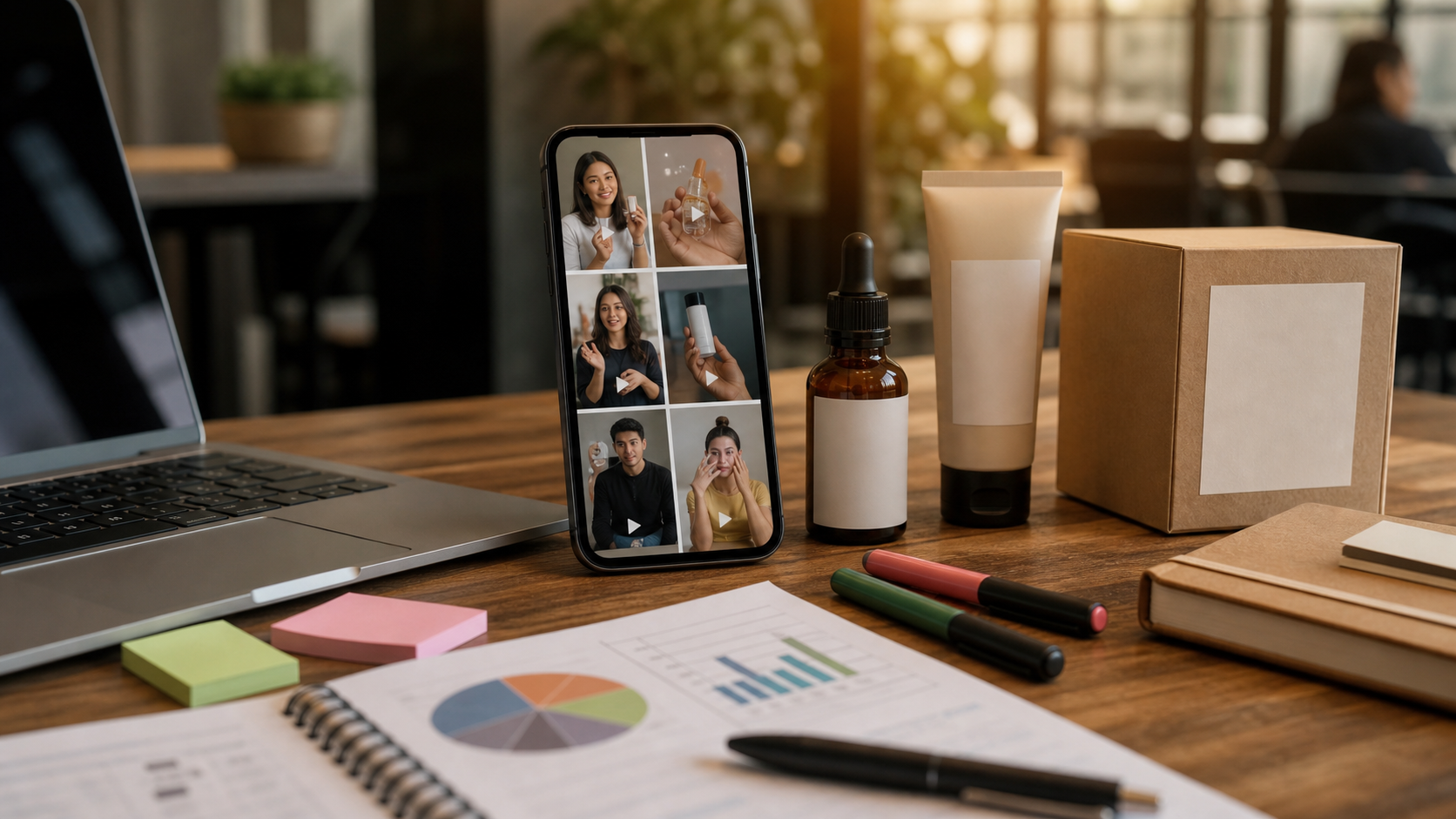
Indian D2C marketing desk with creator-style UGC ad examples on mobile screens

What is a UGC ad example?

A UGC ad example is a reusable creator-style pattern that shows the hook, scene, product action, dialogue, and call to action for a paid social video. It is not a finished script to copy blindly. The useful part is the structure: what the viewer sees in the first seconds, why they keep watching, and what product proof appears before the CTA.

Start from related guides: /blog/what-are-ugc-ads and /blog/create-ai-ugc-ads-india

For script-level examples, use /blog/ugc-video-script-examples-india

For Facebook and Instagram creative testing, use /blog/facebook-ad-creatives-for-d2c-india

Use the product workflow pages when ready: /dashboard/ugc-video and /dashboard/static-ads

Which UGC ad example should you test first?

Use the example that matches the buyer's biggest hesitation. If people do not understand the product, test a demo. If they doubt the result, test before-after proof. If the category is crowded, test a comparison. If the product feels expensive, test a routine or value-per-use angle before you test a discount.

Beauty: mirror routine, texture close-up, one objection answer

Food and beverage: first bite, kitchen use, family approval moment

Fashion: fit check, styling transition, size-confidence angle

Home goods: messy-before-clean-after, storage demo, daily-use proof

How do you turn examples into AI UGC prompts?

Convert each example into one scene, one creator, one product action, and two short spoken lines. AI UGC performs worse when the prompt asks for a full ad storyboard, readable text overlays, multiple rooms, and too many product claims. Meta's video ad guidance and Google's YouTube ABCDs both reward clear mobile-first creative direction, so keep the asset easy to understand quickly.

Source note: Meta video ad format guidance, facebook.com/business/ads/video-ad-format

Source note: Google Ads ABCDs for effective video ads, support.google.com/google-ads/answer/14783551

UGC ad example decision table

Buyer problem
Example to test
AI UGC prompt direction
They do not get the product
Product-in-hand demo
Creator shows one use case in an Indian home or office
They doubt the benefit
Before-after explanation
Creator contrasts the old routine with the product-led routine
They compare alternatives
This vs that comparison
Creator names the category tradeoff without attacking a brand
They worry it is hard to use
First-time user walkthrough
Creator opens, uses, and reacts in one simple scene
They want social proof
Friend recommendation setup
Creator speaks like they are sending a quick recommendation

Best For

Indian D2C brands planning weekly Meta creative tests

Founders who need examples before hiring creators

Agencies turning product briefs into UGC video prompts

Performance marketers fighting ad fatigue

Not Ideal For

Copying competitor claims without review

Medical, financial, or legal testimonials without compliance checks

Multi-scene brand films that need a production team

Exact creator impersonation or celebrity-style prompts

Examples

Skincare: 'I stopped buying random serums after this 20-second texture test.' Bathroom mirror, product in hand, one application shot.
Snack brand: 'If your 4 pm chai needs something crunchy, try this.' Kitchen counter, first bite, family-offer moment.
Fashion: 'Three ways I style this kurta for office, dinner, and travel.' Mirror setup, quick styling transitions, no floating text.
Home organizer: 'This fixed the drawer I avoided opening.' Messy drawer, product placement, clean reveal.
Wellness: 'I wanted a routine that did not feel like a lecture.' Morning table, product prep, calm creator line.
Pet care: 'My dog ignored the expensive thing and loved this simple one.' Living-room demo, close product shot, owner reaction.
Baby product: 'One-handed use matters more than cute packaging.' Parent persona, realistic home setup, practical demo.
Regional-language variant: Hindi, Tamil, Bengali, or Marathi line with the same product action and CTA.

FAQs

What are the best UGC ads examples for Indian brands?

The best examples are product-in-hand demos, routine videos, comparison clips, objection answers, and first-use walkthroughs. Indian brands should localize the setting, language, props, and buyer hesitation instead of copying global ad examples.

How do I write an AI UGC prompt from an ad example?

Write one creator persona, one Indian setting, one product action, one buyer problem, and two short visible-speaker lines. Avoid asking for many scene changes, long scripts, readable text overlays, or exact packaging reproduction.

Why do UGC ad examples fail when made with AI?

They usually fail because the prompt is too broad, the product action is unclear, the claim is unrealistic, or the scene feels foreign to the target buyer. Start with one concrete product moment and review the output before scaling variants.

Should I test UGC ads or static ads first?

Test UGC video when the product needs explanation, demonstration, or trust. Test static ads when the offer, packshot, or price is already clear. Many Indian D2C teams use both: video for education and static creatives for retargeting.

Can AI UGC replace real creators?

AI UGC is best for fast creative testing, early campaign drafts, hook exploration, and low-cost content volume. Real creators still matter for influencer distribution, creator trust, and testimonial rights.

Does AI UGC work for Indian audiences?

It can work well when the prompt includes Indian personas, local language, realistic home settings, product-in-hand moments, and duration-safe dialogue instead of generic global stock-style scenes.

What assets do I need to start?

A product name, a short product brief, and ideally one clean product image are enough to generate the first AI UGC video or product visual.